
Duthilleul, Y. 2005. Lessons Learnt in the Use of ‘Contract’ Teachers. Paris International

The International Institute for Educational Planning (IIEP - UNESCO) is an arm of UNESCO created in 1963 in Paris, France. It develops the capacities of education actors to plan and manage their education systems through its programmes of training, technical assistance, policy research and knowledge sharing. [1]
Unesco International Institute for Educational Planning IIEP

International Institute for Educational Planning (IIEP-UNESCO) Education Management Paris, Ile-de-France 33,930 followers
Educational Planning PowerPoint Presentation Slides PPT Template
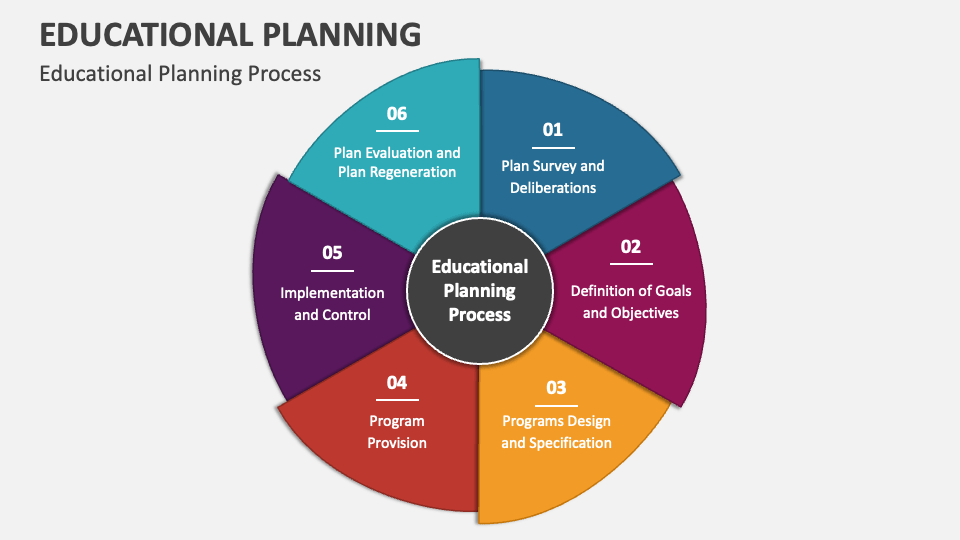
Strategic planning guides educational development by giving a common vision and shared priorities. Educational planning is both visionary and pragmatic, engaging a wide range of actors in defining education's future and mobilizing resources to reach its goals. For policy-makers, planning offers the path to: provide quality education for all.
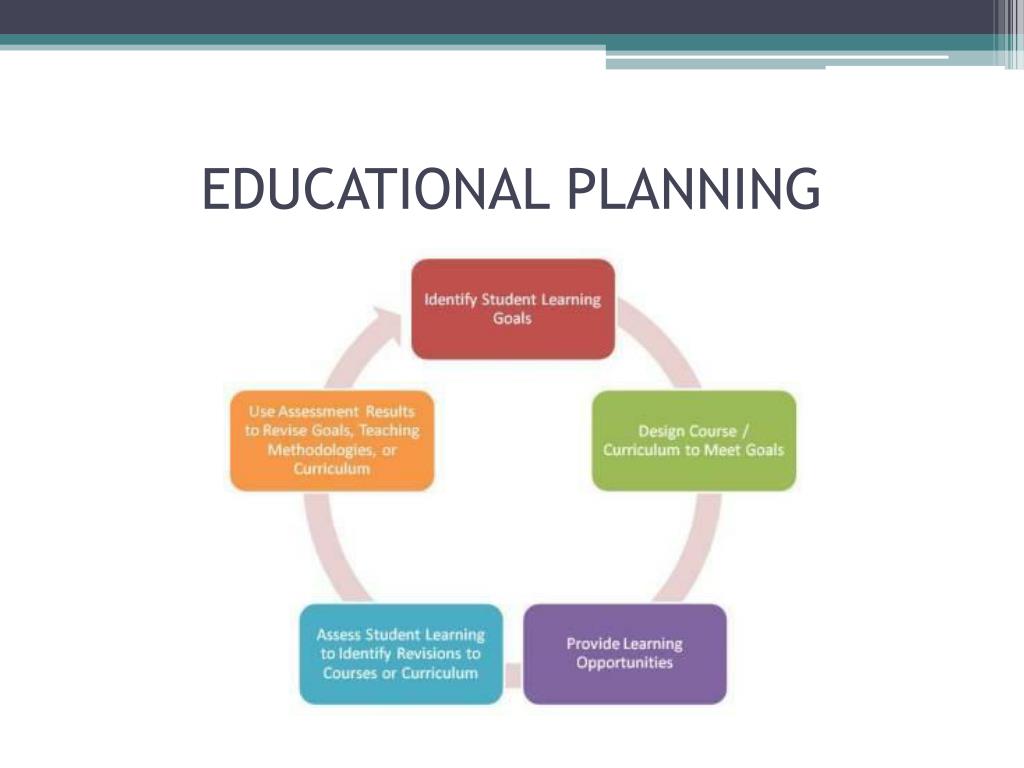
PPT CHAPTER 12 USING the NINE CATEGORIES in INSTRUCTIONAL PLANNING PowerPoint Presentation
The IIEP Library houses a unique collection on educational planning and management. Around 33,000 resources are available: books, journal articles, reports, national documents (policies, statistics, evaluations, strategic documents, etc.). More than half of the collection is available online.
Educational Planning PowerPoint Template PPT Slides

International Institute for Educational Planning Published in the series: Fundamentals of Educational Planning - No. 68 Improving school effectiveness Jaap Scheerens A paper copy of this publication may be obtained on request from: [email protected][email protected]
International Mind Education Institute

The UNESCO International Institute for Educational Planning (IIEP- UNESCO) is an ardent supporter of equitable, inclusive quality education for all. In its nearly six-decade history, the Institute has worked with nations worldwide to imagine-and implement- educational plans and policies.
Rainbow International Educational Institute Shopian Shopian

1999. International Institute for Educational Planning Published in the series: Fundamentals of Educational Planning Globalization and educational reform: what planners need to know Martin Carnoy A paper copy of this publication may be obtained on request from: information@iiep.unesco.org To consult the full catalogue of IIEP Publications and.
NATIONAL UNIVERSITY OF EDUCATIONAL PLANNING AND ADMINISTRATION (NUEPA) YouTube
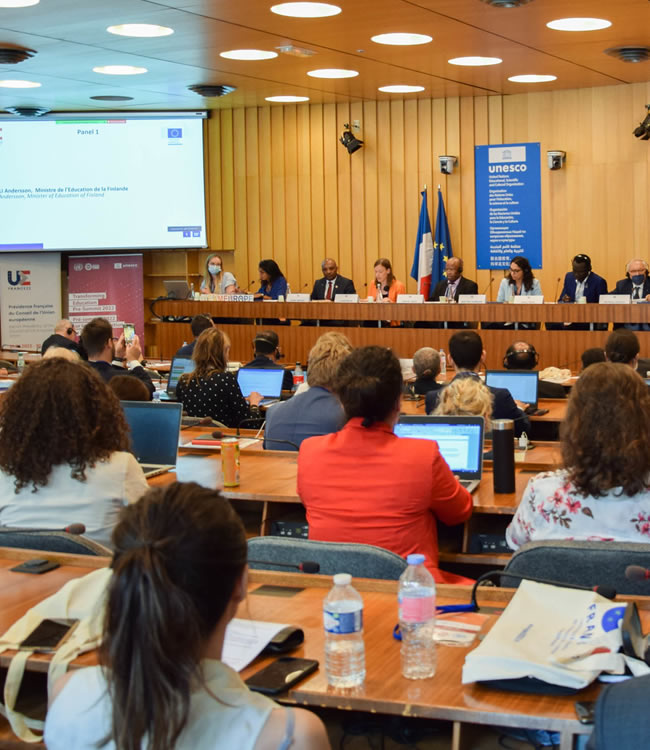
A broad agenda. Education 2030 offers a broader view of the education sector than those defined by both the Jomtien Declaration in 1990 and the Dakar Framework for Action in 2000. The agenda pays attention to Early Childhood Care and Education; it demands universal secondary education; the acquisition of skills, including through stronger TVET.
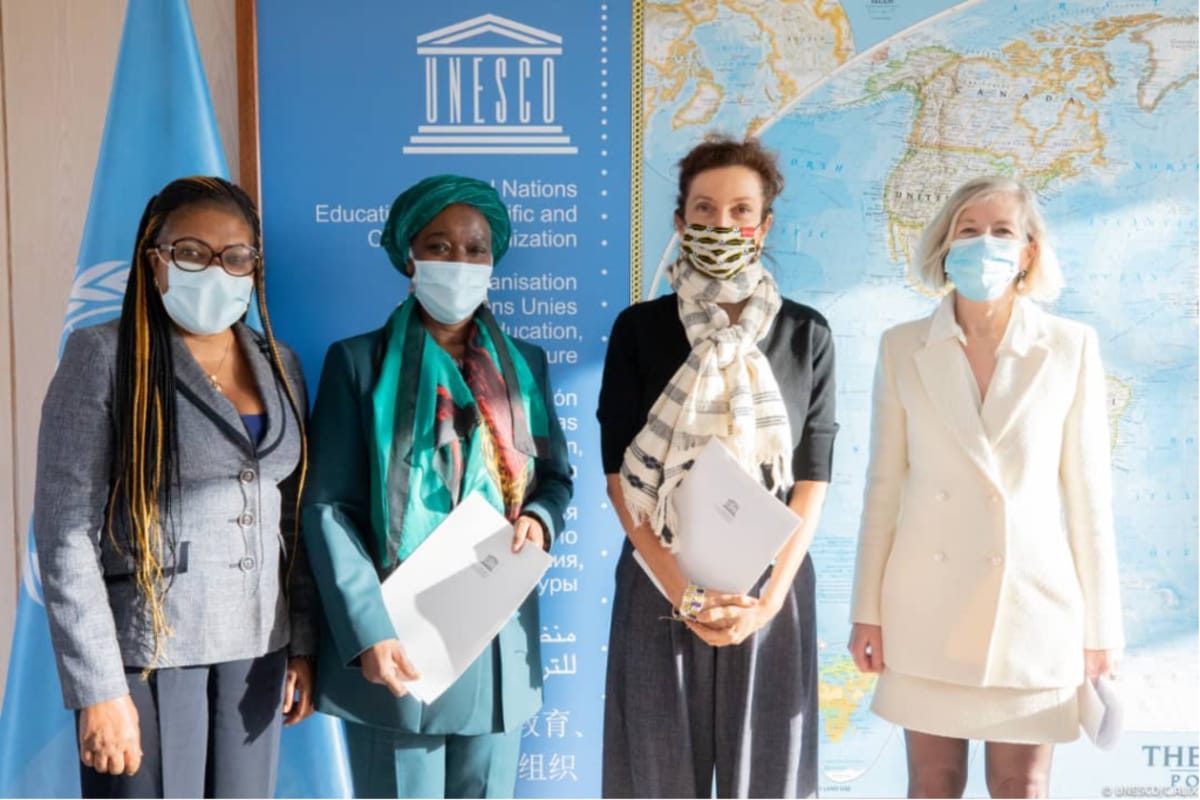
SHLC enters into cooperation with UNESCO’s International Institute for Educational Planning

UNESCO's International Institute for Educational Planning (IIEP) is the only institute in the world providing a winning combination of training in educational planning, cutting-edge research, and in-country capacity development to support educational bodies. All three elements work together and are core components for making the funda-
Research at National Institute of Educational Planning and Administration, Research at National

Our Mission. IIEP-UNESCO Dakar is the Africa-based office of UNESCO's International Institute for Educational Planning, a unique specialized United Nations institute with a mandate to strengthen the capacity of UNESCO Member States to plan and manage their education systems. Find out more.
Gallery of International Management Institute / Abin Design Studio 38

19 April 2019. Last update:20 April 2023. Meet Suzanne Grant Lewis, Director of UNESCO's International Institute for Educational Planning (IIEP), following her participation at the Comparative and International Education Society (CIES) 2019, she answered three questions on Sustainable Development Goal 4 (SDG4) and UNESCO's role and expertise.
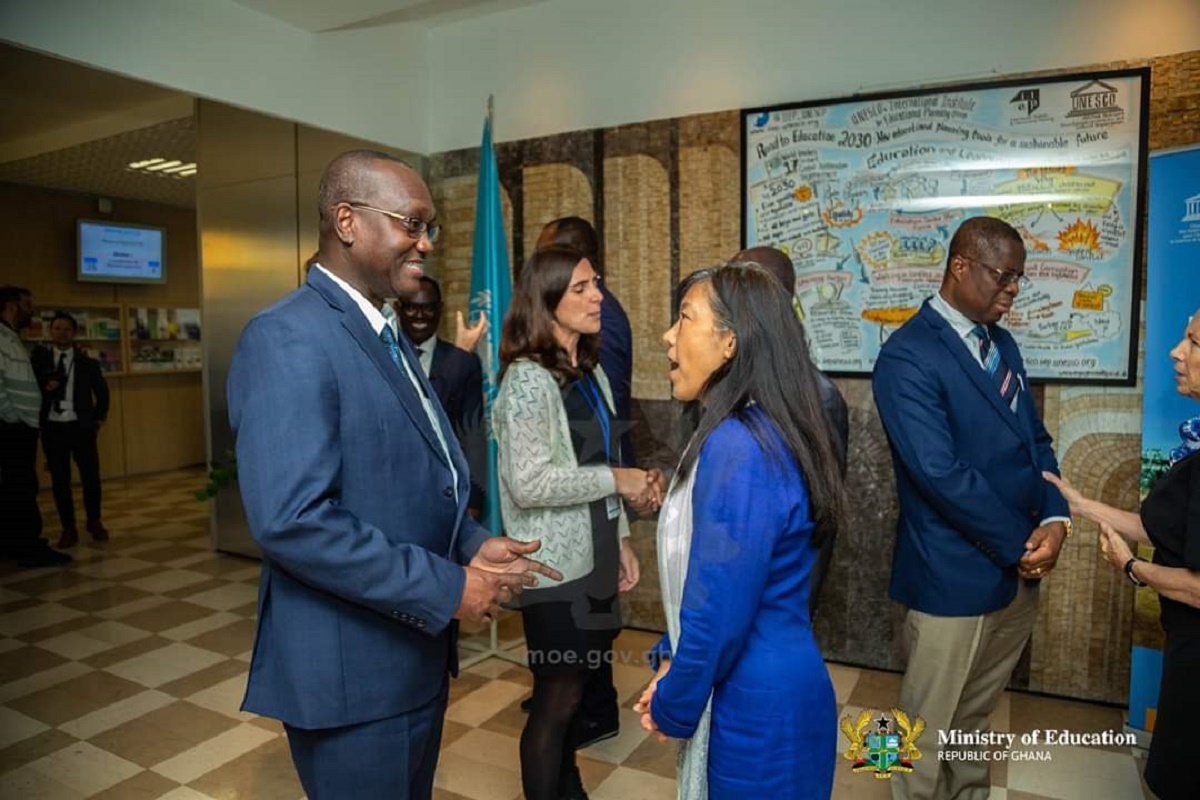
UNESCO International Institute for Educational Planning (IIEPUNESCO) Governing Board meets for
Over the past 60 years, IIEP has trained around 24,000 education professionals across the globe. It continues to refine its training programmes, incorporating the latest technology and research to help achieve national and international educational goals. Today, IIEP's Global Campus is a catalyst for transformation, supporting more than 1,400.
The Institute for Educational Planning & Administration (IEPA) at University of Cape Coast (UCC
At the beginning of the 1960s, educational planning was seen as a must for the newly independent countries in order to allow them to move ahead quickly and systematically with their human resource development. Planning Units were set up in Ministries of Education but were highly dependent on external expertise (IIEP, 2010: 9). Carron, Gabriel, Khalil Mahshi, Anton De Grauwe, Dorian Gay, and.
Educational Planning

School plays a relatively limited role in the development of the child. The family still has the strongest influence, followed by the child's schoolmates and immediate surroundings. This explains why it is important to involve civil society in extracurricular educational activities, which are highly influential in pupils' education - probably at least as influential as the 800 hours spent in.
The Institute for Educational Planning and Administration’s visit to the International Institute
The UNESCO International Institute for Educational Planning will mark its 60th Anniversary of supporting countries to plan and manage their education systems this 8-9 November 2023.. Hosted in Paris, France and online, the 60th Anniversary Symposium will provide an opportunity to reflect on the Institute's key milestones, but also to chart a path forward for the future of educational.
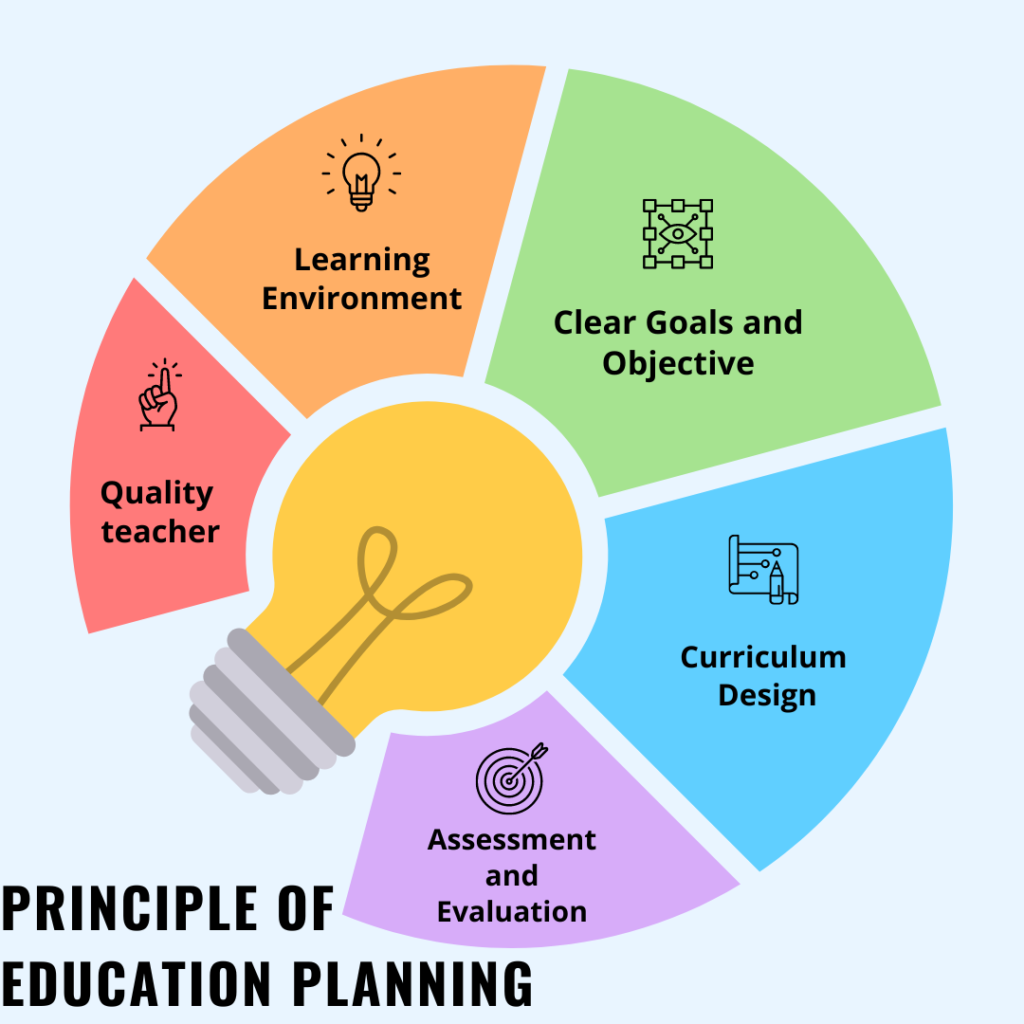
Principles of Education Planning Prep With Harshita
The UNESCO General Conference decided to establish an International Institute of Educational Planning in 1962 and adopted at the same occasion its statutes (12 C/Res.1.213). After more than 20 years of existence of the Institute, in 1984, the amount of records which the IIEP had accumulated as result of its activities occupied around 300 linear.